

Therapy rooted in relationship & presence
People rarely arrive with one clean problem. A child melts down at home but holds everything together at school. A teenager withdraws from the people trying hardest to reach them. An adult understands the pattern but still cannot shift it.
I work with what happens inside a person and between people, using conversation, movement, play, and attention to the body. Often that means working with a parent and child together in the room. The goal is not permanent calm but more capacity: to notice what is happening, recover after rupture, and choose rather than simply react.
My work draws on attachment theory, nervous system regulation, and somatic practice.
About me
I am a Licensed Clinical Social Worker in New York. I hold degrees in social work and law from Columbia University and in history from Yale. Over more than 25 years I have worked with children, teenagers, parents, and adults in psychiatric care, community mental health, foster care, and humanitarian settings.
My roots are in Uruguay, and I grew up across Latin America and Spain. That shapes how I listen: to what a person has lived through, how they have learned to protect themselves, and the relationships and pressures around them. I am a native speaker of Spanish and English and offer therapy in both.
Hear more about my approach
In this conversation, I talk about how connection, safety, and the nervous system shape our attachment patterns—in ourselves, in our closest relationships, and across the communities and systems we move through.
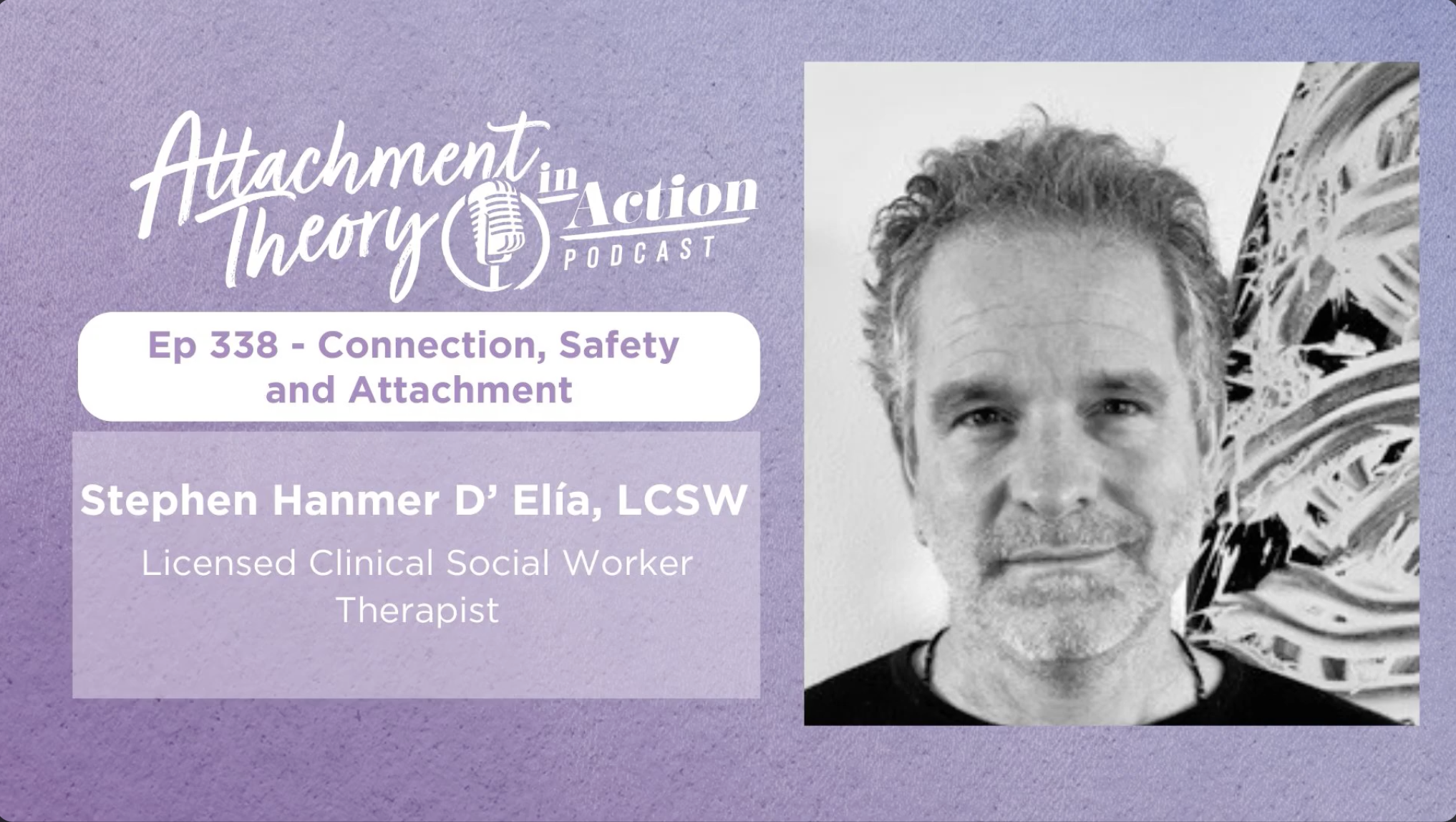
I’m a Licensed Clinical Social Worker (LCSW) certified to provide therapy in New York. I offer in-person sessions in downtown Brooklyn and online sessions across the state. If this kind of work resonates with you or someone in your care, I offer a free 15-minute consultation.
Working with children and parents
When young children struggle—through meltdowns, aggression, bullying, school refusal, withdrawal, or anxiety—there are many reasons why. Sometimes it's rooted in trauma, overwhelming emotions, challenges at school, loss, or how their nervous system is wired. Sometimes patterns in the parent-child relationship play a role. Often it's a combination. Behavior is communication—and healing begins with understanding what's underneath.
What sessions look like:
My therapy space has trampolines, pillows, art supplies, and room to move. We might be bouncing on the trampoline while talking about what happened at school. We might be hitting pillows while exploring big feelings. A child might paint while their body settles enough to share something they couldn't say in words.
It's not "play first, then talk"—it's all woven together. The movement, the play, the conversation, the connection are happening at once. I'm tracking your child's nervous system, noticing when they need to release energy, when they're ready to go deeper, when they need lightness. This is the relational, intersubjective work—we're growing together in real time.
We're in this together:
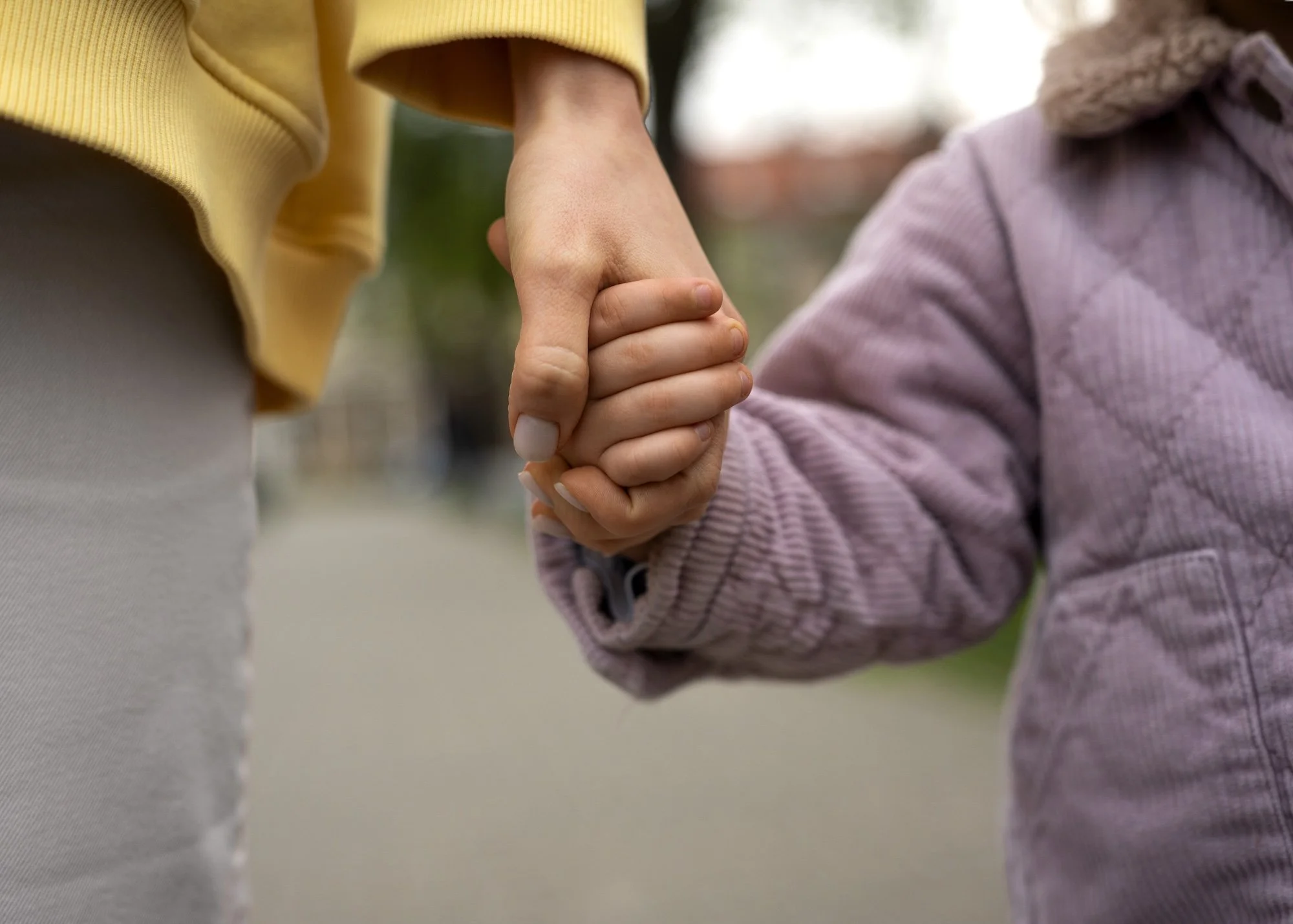
Parents aren't observers in my work—you're essential partners. Whatever your child is navigating, you're the person who will be there with them through it. In many sessions, you're right there in the room with your child and me, learning what helps your child feel safe, understood, and able to open up.
When a difficult moment happens, we navigate it together. When your child says something hard, I'm there to support you both. You're not being taught techniques to use later at home—you're discovering, in real time, new ways to connect with and support your child.
I also meet with parents separately to explore what's working, what's hard, and the relational patterns at play—including how your own childhood shapes how you parent. Whether or not the parent-child relationship is at the center of your child's struggle, you're at the center of their healing.
You can read more about how I work with children and families in my piece, The Heart of Parenting.
Terapia en español
Soy uruguayo y el español es mi lengua materna. Atiendo en español a niños, adolescentes, padres y adultos, presencial en Brooklyn y online en todo Nueva York. Hay cosas que solo se pueden decir en el idioma en que se vivieron; ese es, muchas veces, donde empieza el trabajo.
My work is guided by the principles of PACE —Playfulness, Acceptance, Curiosity, and Empathy —which help children feel safe, seen, and valued.
Working with teenagers
Teenagers often come to therapy carrying anxiety, depression, identity questions, relationship struggles, or a sense of disconnection—from themselves, their families, or the world. Sometimes there's a clear rupture; other times it's a slow accumulation of feeling misunderstood or alone.
My work with teens is relational and grounded in respect for where they are developmentally. This isn't play therapy—it's real conversation about what they're experiencing, what patterns they've inherited or absorbed, and what new ways of being might be possible. We explore nervous system patterns, attachment wounds, how past experiences shape current relationships, and how to set boundaries and speak up for themselves.
The role of parents: With teenagers, I typically meet with them individually, with periodic parent sessions to support the family system. The goal isn't to report back to parents—it's to help teens build their own sense of who they are while also helping parents understand what's shifting and how to stay connected during a time when their child is naturally pulling away.
If you're a parent of a teen, this can be the hardest phase: your teen doesn't want your comfort the way they used to, and yet they still need you—just differently. I help parents navigate this in-between space.
This work is about helping teenagers feel more grounded in themselves—not just at home, but in their friendships, at school, and as they move toward adulthood.
Working with adults
Many adults come to therapy carrying burdens that are hard to name—anxiety, grief, disconnection, relational patterns that no longer fit, or a quiet sense that something isn't right. Sometimes there's a clear moment of rupture; other times it's a slow accumulation. Therapy offers space to slow down, listen inward, and make room for something new.
What we do together: My work with adults is relational, somatic, and grounded in attachment. We're not just talking about your life—we're paying attention to what's happening in your body as you talk. When you mention a difficult relationship and your chest tightens, we notice that. When you describe feeling overwhelmed and your breath gets shallow, we track that together.
The patterns that shape how you connect, protect, withdraw, or override were once wise adaptations to early experiences. Some may no longer serve you—but they deserve attention, not judgment. Together, we explore what your body has been holding, what nervous system patterns keep you stuck, and what becomes possible when you feel safe enough to risk something new.
Our work might involve:
Tracking your nervous system states and learning what shifts them
Exploring how early attachment patterns show up in your current relationships
Building capacity to stay present with difficult emotions rather than overriding them
Practicing boundary-setting, self-advocacy, or intimacy
Tending to parts of you that learned to go quiet or unseen
This isn't about perfecting yourself. It's about reconnecting—with your body, your voice, and the parts of you that went quiet. I bring steadiness, curiosity, and care.
Whether you’re navigating a major transition or tending to something long-held, therapy can help you move toward more clarity, connection, and wholeness.

Podcast on the impact of technology and AI on children and adults
With Travis Goodman on Wired for Connection, the Polyvagal Institute podcast. Listen
Practices I Draw From
Dyadic Developmental Psychotherapy to nurture safety and connection between parents and children
Parenting Journey, a group model that helps caregivers reflect, reimagine, and reconnect
SMART (Sensory Motor Arousal Regulation Treatment) to support embodied regulation through movement and play
Safe and Sound Protocol, a music-based intervention that helps regulate the nervous system and expand a felt sense of safety
Somatic Experiencing to support embodied healing by tuning into physical sensations, releasing stored tension, and restoring nervous system flow
Play Therapy, meeting children in their natural language to support expression, integration, and healing